Column · @protectplatestopnumbercentral
Practical Ways to Stop Number Plate Fraud and Protect Your Vehicle Identity
Why Number Plate Fraud Matters More Than You Think
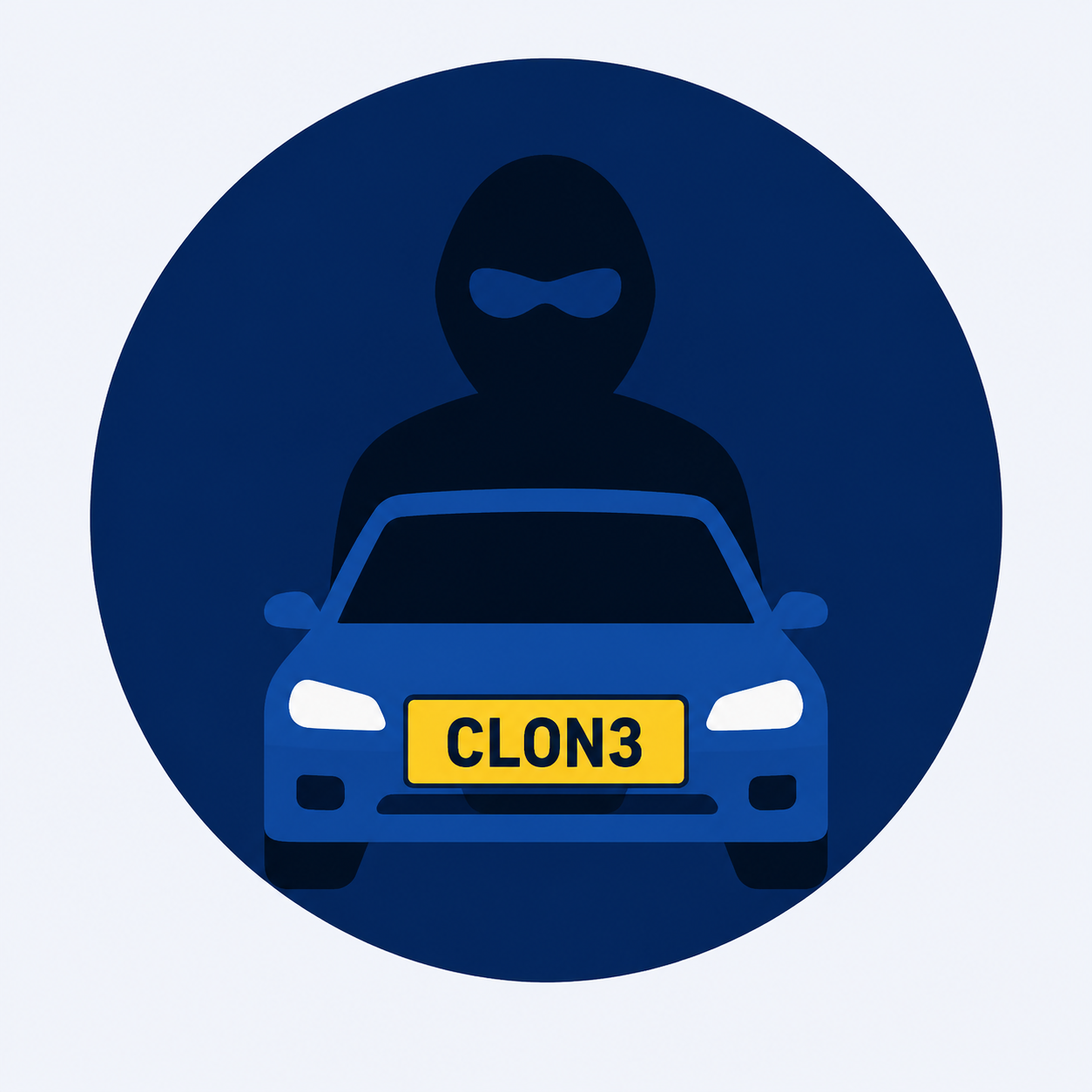
Number plate fraud, often called cloning, happens when someone copies your registration mark onto a similar vehicle. They drive around, commit offences, and the penalties land on your doorstep. You get fines, penalty points, even court summons for something you never did. Clearing your name takes time, paperwork, and stress. The real kicker is that most drivers do not realise how easy it is for criminals to obtain plate details. A quick walk past your car, a photo at the supermarket, or even a glance at your parked vehicle from across the street gives them everything they need. Once they have your registration, they order a set of replica plates from a less scrupulous supplier, and suddenly you are liable for their actions. That is why knowing how to stop number plate fraud should matter to every vehicle owner in the UK.
People often assume the police will sort it out, and they do investigate when they can. But the burden of proof falls on you to show you were nowhere near the scene. That means alibis, dashcam footage, and a lot of correspondence. Prevention is far less painful than cure. The good news is that there are straightforward measures you can take, and services designed specifically to catch cloning early. One such approach is what Protect-A-Plate stop number plate fraud networks do: they monitor your registration and alert you the moment something looks off. That early warning gives you time to act before the damage spreads.
How Cloning Actually Works
Cloning is not a high-tech heist. It relies on the fact that plates are easy to copy and checks are often lax. A criminal finds a car that matches their own in make, model, and colour. They note the registration, order replica plates online, and attach them to their vehicle. From the outside, the car looks legitimate. Speed cameras, toll roads, and even some ANPR systems read the plate and log it against your name. The cloned car then commits offences, and you receive the penalty notices.
The hardest part for victims is proving the timing. If the cloned car was in Manchester while you were at work in London, you have a chance. But if the offences happen at night or on a weekend, it becomes harder to prove you were not driving. Some victims only discover the fraud when they try to sell their car and find outstanding fines attached to the registration. At that point, the administrative burden is heavy. That is why early detection matters more than anything else.

What You Can Do Right Now to Protect Yourself
There is no single silver bullet, but a combination of habits and tools reduces your risk considerably. Here are the practical steps that make a real difference:
- Check your vehicle registration documents regularly. If you receive a penalty notice for something you did not do, act immediately. Do not assume it is a mistake that will sort itself out.
- Keep your vehicle registration certificate (V5C) secure. Identity thieves can use it to order duplicate plates or sell the car without your knowledge.
- Use tamper-resistant or security screws for your plates. They do not stop cloning entirely, but they make it harder for someone to swap plates without leaving evidence.
- Consider a registration verification service. These services monitor your plate against national databases and alert you to any unusual activity, such as multiple penalty notices or an insurance check from an unknown source.
- Report lost or stolen plates immediately. The moment you notice a plate missing, inform the police and the DVLA. Do not wait to see if it turns up.
These steps are simple but often overlooked. The key is to treat your number plate like any other piece of personal identification. You would not leave your passport lying around, so do not ignore the value of your registration.
The Role of Verification Networks
Verification networks exist to close the gap between when an offence happens and when the owner finds out. Instead of waiting for a penalty letter to arrive, you get a real-time alert. That shift from reactive to proactive changes everything. If you know within hours that your plate has been used somewhere you were not, you can contact the police and the DVLA before the fines pile up. Some networks also share flagged registrations with authorities, helping to identify patterns and catch cloning rings.
What Protect-A-Plate stop number plate fraud networks do is essentially create a digital fence around your registration. They watch for multiple uses in different locations, unusual times of day, or checks from non-standard sources. The alert comes to you, and you decide what to do next. It is not a guarantee that fraud will never happen, but it is a strong early warning system. The earlier you know, the easier it is to prove your innocence.
Common Misconceptions About Plate Fraud
One myth is that only expensive or rare cars get cloned. In reality, criminals pick common models that blend in. A white Ford Transit, a black VW Golf, or a silver BMW 3 Series are far more likely targets than a bright yellow Ferrari. The goal is to avoid attention. Your car does not need to be flashy to be cloned. It just needs to be common enough that the cloned vehicle does not stand out.
Another misconception is that ANPR cameras catch the fraud automatically. They do not. ANPR reads plates and logs them against a database. If the plate is valid on paper, the system sees no problem. The mismatch only becomes apparent when someone manually compares the vehicle details or when the owner challenges a penalty. The system is designed for traffic enforcement, not identity verification. That is why the human element matters. You have to be the one checking and challenging.
Some people think that buying a private plate protects them. Private plates are just as easy to clone as standard ones. In some ways they are more vulnerable because they are more visible and memorable. Criminals who target a specific plate often do so because it blends in, not because it is flashy. A private plate on a common car might actually draw more attention from law enforcement, but that does not stop cloning.
When Prevention Is Not Enough
Even with the best habits, fraud can still happen. If you receive a penalty notice for something you did not do, do not ignore it. Write to the issuing authority immediately, explain the situation, and provide evidence of your location at the time. Keep copies of everything. If you have dashcam footage or GPS data from your own vehicle, save it. The more evidence you have, the faster the process.
You should also inform the DVLA and your insurance company. Some insurers treat cloning as a form of identity theft and may offer support. Do not assume the police will contact them. You have to drive the process. It is frustrating, but the alternative is accepting fines and points that are not yours.

Services that offer real-time alerts are not a substitute for vigilance. They are a complement. The best protection is a combination of smart habits, secure plates, and a monitoring service that gives you early warning. That is exactly the kind of layered approach that Protect-A-Plate stop number plate fraud networks are built to support. They do not claim to eliminate risk, but they tip the balance in your favour.
Final Thoughts on Staying Ahead
Number plate fraud is not going away. As long as plates are easy to copy and enforcement resources are stretched, criminals will keep trying. But you do not have to be an easy target. Simple actions like checking your post, securing your plates, and signing up for a verification alert make a real difference. The cost of prevention is small compared to the headache of clearing your name. And if you ever do become a target, the early warning gives you the upper hand. That alone is worth the effort.
 Twitter
 Facebook
 Instagram